Nov 5
How to plan event video coverage when several teams are filming
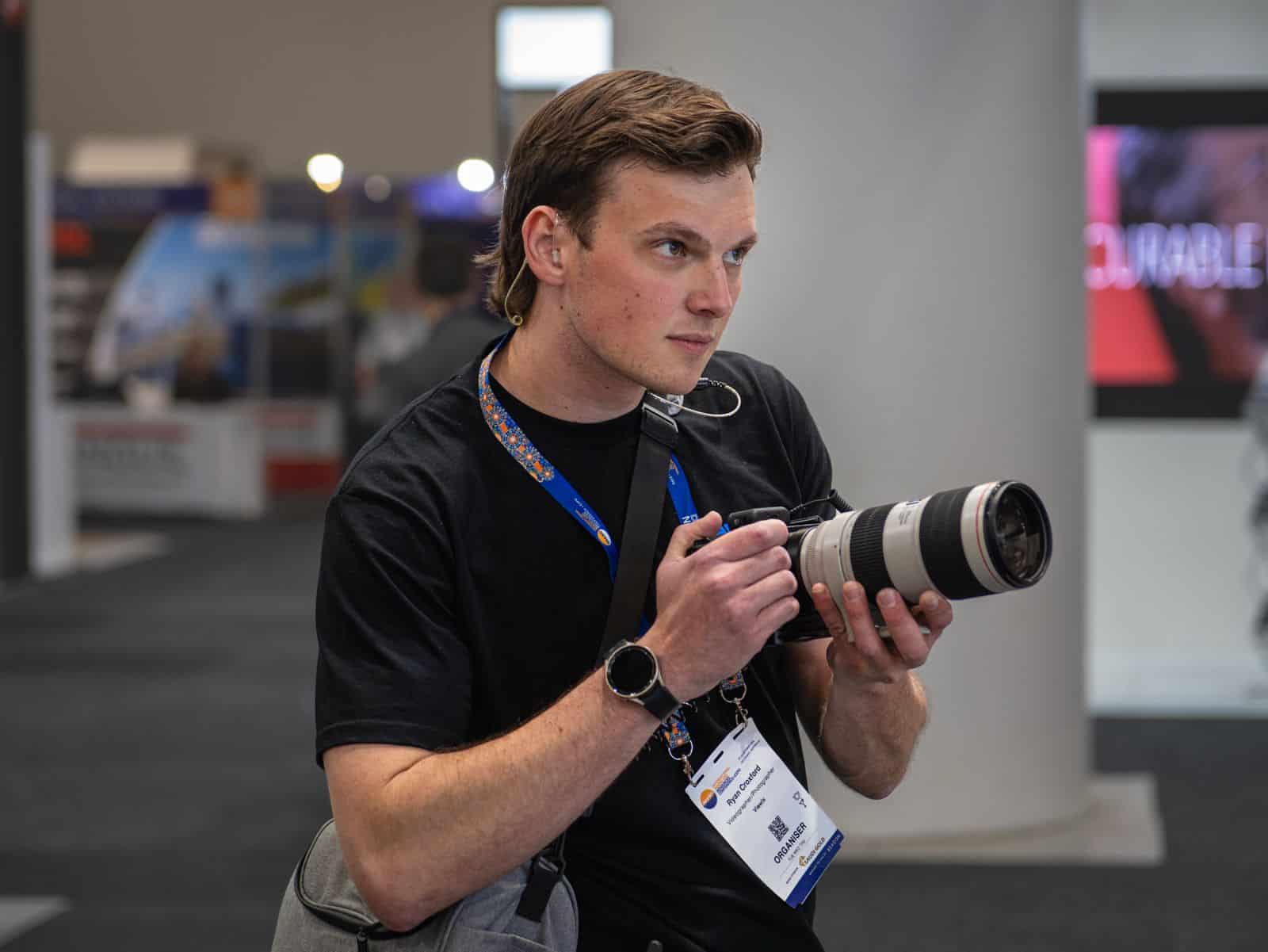
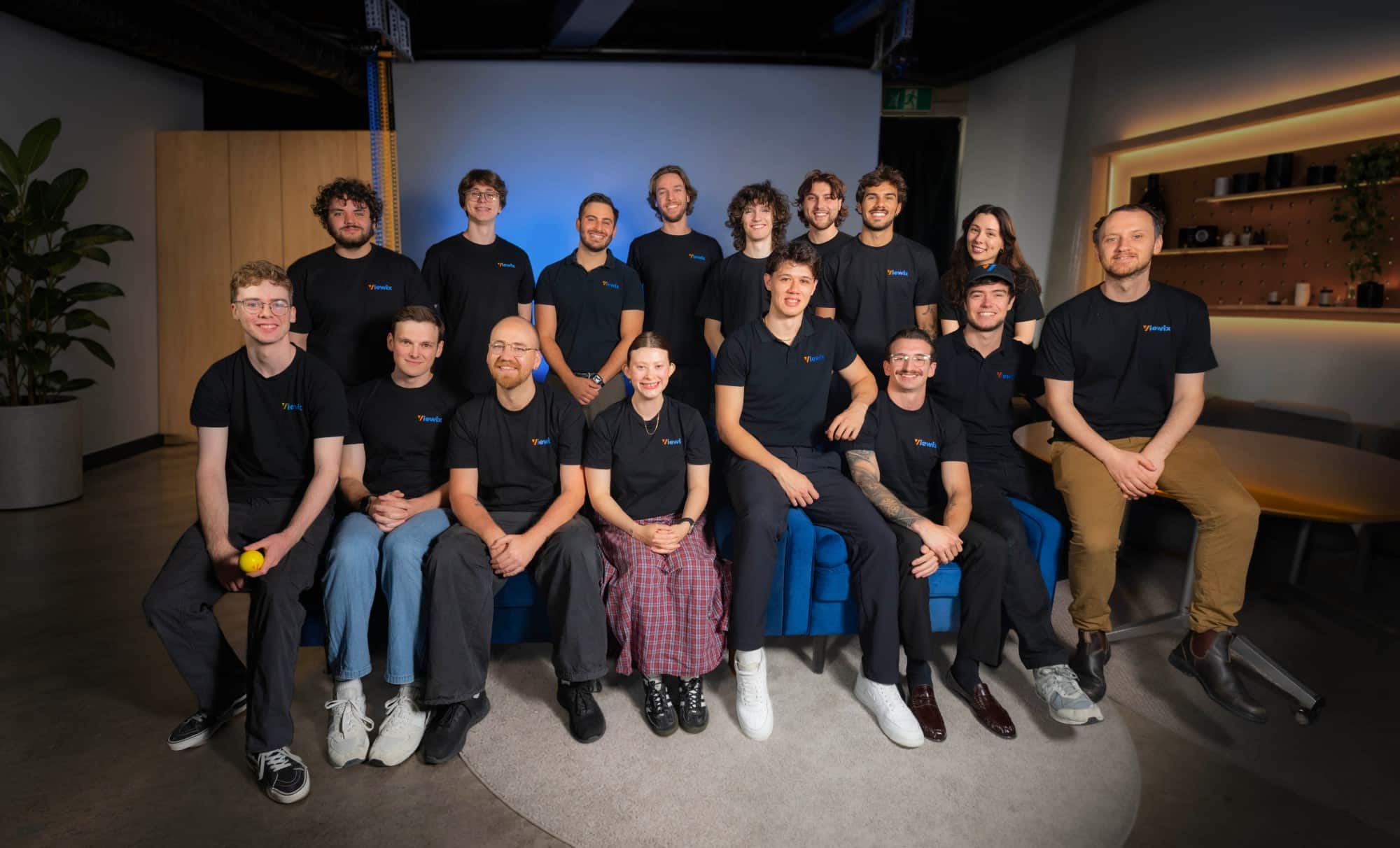
At IMARC 2026, our crew of eleven spent three days covering several jobs across the same event. One team covered IMARC itself. Another was contracted to Oman, a key exhibitor. Across the event, we also captured more than twenty attendee interviews, including extended conversations on and around the show floor for IMARC TV.
The difficult part was coordinating everyone around the moments they needed to capture. Before anyone headed onto the floor, we held detailed briefings covering the layout, responsibilities and equipment. During the event, radios kept the teams connected.
For an organiser planning event video coverage, those are the foundations: agree what each team is there to capture, map where they need to be, assign responsibility for key moments, and work through the kit before the shoot. Then give the crew a way to communicate while the event is running.
What should you brief your event video crew on?
A floorplan is a useful place to start. It makes the conversation specific: this is the event space, these are the locations that matter, and this is where each team will be working.
At IMARC, our briefings covered both the physical layout and the division of work. Steve explains:
The briefing sessions covered the floorplan of the event, who was required where and what their responsibilities were.
That last part matters when several teams are working at once. Knowing that a moment needs coverage is only half the instruction. Someone also needs to know it is their responsibility.
If you're preparing a brief, put a name against each priority rather than leaving it as a general request for the crew. A simple table with the moment, location, time and responsible person gives everyone something concrete to discuss. This is a practical way to apply the briefing approach; it doesn't need to become a complicated production document.
It also gives you a useful question to ask before the event: where have we assigned the same person to two things that overlap?
How do you cover an event and an exhibitor at the same time?
At IMARC, coverage for the event itself ran alongside a separate brief for Oman. Both were taking place within the convention, but they were distinct jobs.
For an organiser or exhibitor commissioning coverage, it's worth making that distinction early. General event footage and material for a specific exhibitor may share a setting, but the people commissioning them can need different things from the day.
Start by writing down each brief separately. Then look at where they overlap and where they need dedicated attention. You can have that conversation with the production team before deciding how many people to book.
Our eleven-person crew was the response to this particular job. It isn't a standard recommendation for every conference. Crew size needs to follow the work: how many locations need coverage at once, which moments are fixed, and what else the team is being asked to capture.
How do interviews fit around event coverage?
We captured more than twenty interviews with attendees at IMARC. Some fed into IMARC TV, with longer conversations recorded on and around the show floor.
That adds another responsibility to a coverage plan. An interview needs someone's attention for the conversation itself, while the wider event continues around them.
If you're planning interviews alongside event coverage, include them in the brief from the beginning. Explain whether you're looking for short attendee comments or extended conversations, where you expect them to happen, and how they fit around the key moments elsewhere.
It's a useful distinction to make before asking for a crew quote. “We'd like some interviews too” leaves much more open than a clear description of the interview work.
What equipment does each crew member need?
The equipment conversation was part of our IMARC briefings, rather than something left until everyone arrived.
We also went over the gear that every person needed, building our kit along the way to account for such a large team.
With eleven people involved, checking the kit against each person's responsibility helped us prepare for the scale of the job. A list of equipment becomes more useful when it's attached to the people and tasks that need it.
For clients, you don't need to arrive knowing which camera everyone should carry. You do need to explain the work clearly enough for your production team to make those decisions. Show them the locations, the types of content you need and any simultaneous commitments, then let them work through the equipment with the crew.
How do you keep multiple crews coordinated during an event?
We used radios across the three days. The pre-event briefings established where people were needed and what they were responsible for; the radios gave us a way to communicate while everyone was working across the event.
Steve described the central challenge as:
The hardest part of making it happen was the coordination of so many people, covering so many key moments.
The practical lesson for an organiser is to include communication in the plan. Agree how the production team will stay in touch and how your event team will pass on changes. Sorting that out beforehand gives everyone a shared method to use once the doors are open.
What should an organiser prepare before the first briefing?
Bring the floorplan and your priorities. Identify the moments you need covered, the locations involved and any separate exhibitor or interview requirements. Work through those with the production team, assigning responsibility and checking what each assignment needs.
A useful final check is to ask each team to explain its part of the day back to you. Any uncertainty about where someone needs to be, or whose responsibility a moment is, is easier to resolve in that conversation than on the show floor.
Our whole IMARC crew deserves the credit for delivering three days of coverage across those different briefs. The preparation gave them a shared plan to work from.
If you're putting together a conference or exhibition, our event video production page covers the kinds of work we can help with. For a finished example from an earlier edition, see our IMARC 2025 event highlights. The 2026 work discussed here isn't online yet.